Making Your Library Space Work for Every Body
 |
Course Details Registration deadline: January 26, 2027 (Spring)
 4 Self-Paced Online Course Modules
 16 Credit Hours
 Recommended for public and academic library personnel.
 $299 | Save with group rates.
This course gives you a practical framework for looking at your library space through the lens of universal design and accessibility, so you can identify real barriers and make more useful improvements.
THIS COURSE IS FOR YOU IF...
This course gives you a clearer way to assess your space, gather better input, and turn accessibility concerns into practical next steps. PART OF A PROFESSIONAL CERTIFICATION SERIESMaking Your Library Space Work for Every Body is one course in the Accessible Public Libraries 3-Course Certification Series. Enroll individually or purchase the full certificate bundle at a reduced rate. (Best value.) Need more flexibility? Once materials are released, you can start anytime during your 6-month access period and move through the course at your own pace. Invoice or PO options: Orders of $600 or greater can choose invoice at checkout. For orders under $600, please do not check out online. Submit this form, and we will process your order manually. Need approval? Email this course to your supervisor. TRAINING A TEAM?When staff assess spaces together, your library can spot barriers earlier, make more consistent accessibility decisions, and build a stronger shared understanding of what welcoming really looks like in practice. Multi-seat discounts are automatically calculated in the cart. Return to Full Course Catalog AFTER COMPLETING THIS COURSE, YOU'LL BE ABLE TO:
You will leave with practical ways to review your space, identify priorities, and move accessibility work forward without treating it like a one-time project. This course is especially helpful for:
If that sounds like your role, you will probably see yourself in this course.
If you are someone who:
This course was built for that kind of practical, ongoing accessibility work.
THIS COURSE CONSISTS OF 4 SELF-PACED MODULES:Module 1: Rethinking Accessibility in Library Spaces This module establishes a shared foundation for understanding physical accessibility in library spaces and the importance of making spaces welcoming for all patrons and employees. You’ll develop a common language around accessibility and universal design, and examine how “accessible” often extends beyond ADA compliance or visible mobility needs. You’ll explore how physical spaces can support—or unintentionally exclude—patrons with physical, sensory, cognitive, and neurodivergent needs. By the end of the module, you’ll have a framework that can be applied to all functions of the library, including the physical environment.
Module 2: Evaluating Library Spaces for Accessibility In this module, you’ll learn how to systematically evaluate your library’s physical environment using universal design principles. The module will cover observational techniques used to evaluate common space elements like entrances, signage, seating, lighting, and acoustics. By the end of the module, you’ll be able to conduct and document an accessibility audit to identify realistic, actionable improvements.
Module 3: Centering Patron and Employee Experience Through User Research Accessibility cannot be fully understood without knowing about and listening to the people who use—and avoid—library spaces. This module introduces practical, ethical ways to gather input, lived experiences, and demographic data. You’ll learn how to conduct inclusive observation and feedback activities that deepen your understanding of how real people experience your space. Lastly, you’ll explore sources of demographic data so you can gain additional insights about the population your library serves.
Module 4: Executing Short-Term and Long-Term Accessibility Plans This final module focuses on turning insights into actionable steps. You’ll learn how to prioritize findings, develop low-cost and phased improvement ideas, and advocate for changes effectively to decision-makers. The module also covers maintenance of accessible design over time, including documentation, policies, and staff training. By the end, you’ll know how to embed universal design principles into everyday practice rather than treating it as a one-time project. COURSE ADVISOR & INSTRUCTORS
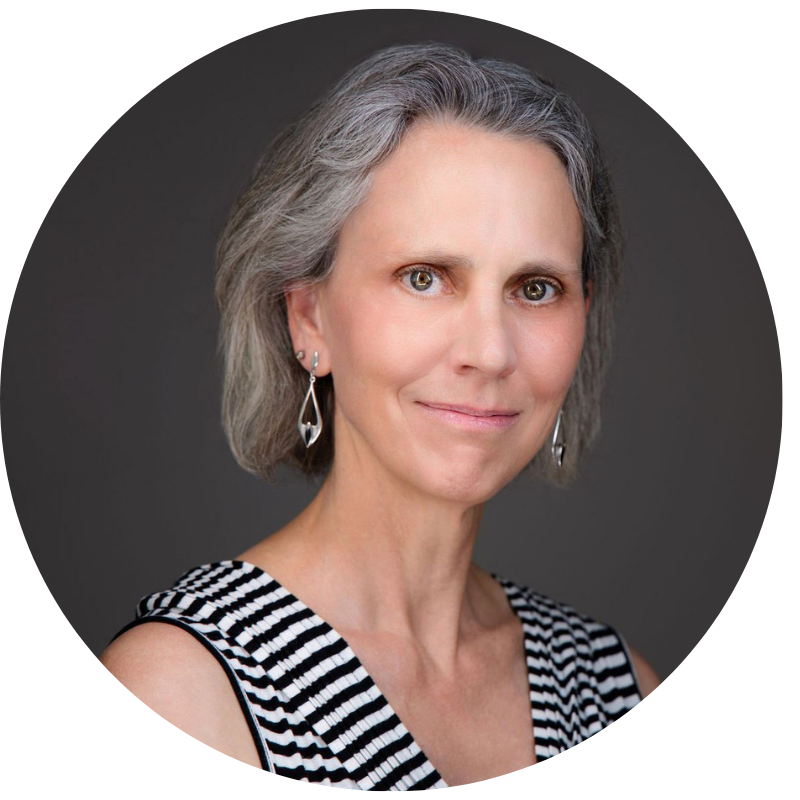
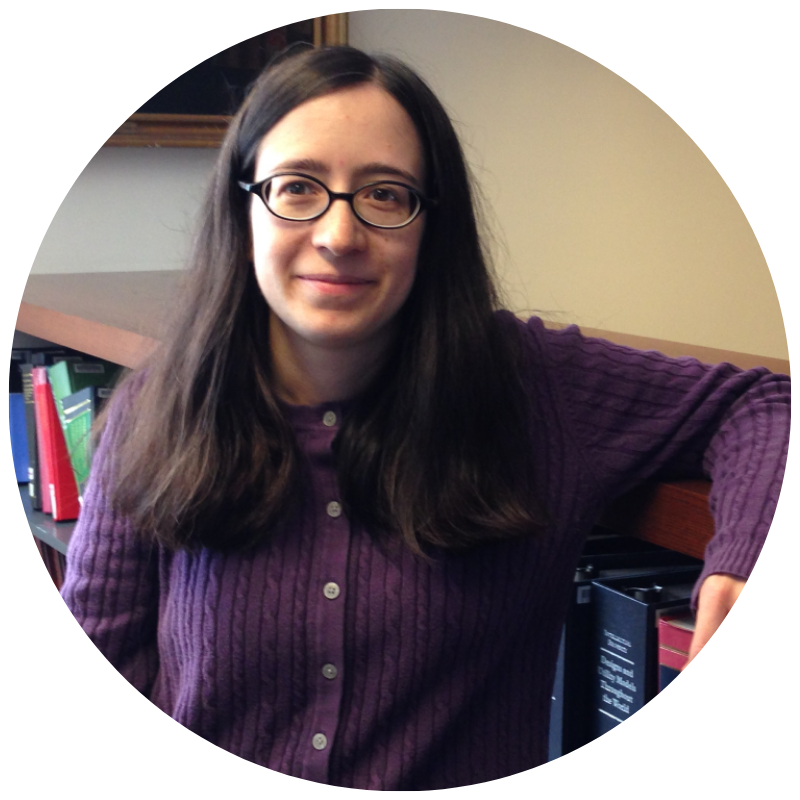
Robin Davis, Associate Head of User Experience, NC State University Libraries
Susanna Cowan, Assessment Strategist, UConn Library (University of Connecticut)
Kara Flynn, Archives Education & Outreach Coordinator, University of Connecticut
Carli Spina, Head of Research & Instructional Services, FIT Library
Scott Young, User Experience Librarian, Montana State University
Jacqueline Frank, Assistant Professor, Instruction & Accessibility Librarian, Montana State University Library
This course starts from a simple reality: a library space can be technically accessible and still not work well for the people using it. Entrances, seating, signage, acoustics, lighting, service points, and staff areas all shape whether people feel welcome, comfortable, and able to use the library fully. This course helps you look at those spaces more carefully and more practically. Across four modules, you will build a shared foundation in accessibility and universal design, learn how to evaluate spaces using audit tools and observation, gather patron and employee input, and turn what you find into realistic recommendations. The course is designed to help you make progress whether you are starting small or thinking about longer-term planning. GROUP OPTIONS Training a team? Choose the setup that matches how you want to plan and pay: Group course enrollment: Enroll 3+ staff in this course and save. Bulk course credits: Prepay once, get the highest per-seat discount on every course, and assign seats later. Unlimited annual licensing: System-wide access for a year with no per-course approvals. Request Discounted Group Pricing Questions? Email groupsales@libraryjournal.com. COURSE FORMATThis is a fully self-paced, asynchronous online course consisting of 4 modules. Each module includes video instruction, slides, readings, and reflective exercises designed to connect concepts directly to your daily work.
EXPECTED TIME COMMITMENTEach module is designed to take approximately 4 hours to complete, for a total of 16 hours. You may move through the course at your own pace and on your own schedule.
COURSE ACCESSYou will have access to all course materials for six months from the material unlock date.
CREDIT & CERTIFICATEComplete all modules to earn 16 professional development credit hours and a Library Journal certificate of completion, which will be emailed to you.
ACCESSIBILITYAll video recordings feature auto-captioning. If you require accommodations, please email course-support@libraryjournal.com upon registration and we will make our best efforts to support your needs.
SUPPORTFor technical or course-related support, please contact course-support@libraryjournal.com. |