Serving Disabled Patrons
What Actually Helps (Beyond Good Intentions)
 |
Course Details Registration deadline October 21, 2026 (Fall) or June 10, 2027 (Spring)
 7 Self-Paced Course Modules
 18 Credit Hours
 Recommended for public library personnel
 $349 | Save with group rates.
Accessibility work often breaks down in small, everyday interactions. This course gives public library staff practical ways to adjust, respond, and serve disabled patrons with more confidence and less guesswork.
YOU DON’T ALWAYS KNOW IF ACCESSIBILITY IS THE ISSUE.
This course helps you read these moments more clearly and respond in ways that make the library easier to use, not harder to navigate. PART OF A PROFESSIONAL CERTIFICATION SERIESServing Disabled Patrons is one course in the Accessible Public Libraries 3-Course Certification Series. Enroll individually or purchase the full certificate bundle at a reduced rate. (Best value.)
Need flexibility? Once materials are released, you can start any time during your 6-month access period and move through the course at your own pace.
Invoice or PO options: Orders of $600 or greater can choose invoice at checkout. For orders under $600, please do not check out online. Submit this form, and we will process your order manually. Need approval? Email this course to your supervisor. TRAINING A TEAM?Every public-facing member of your staff should know how to communicate, adjust, and respond to disabled patrons. Multi-seat discounts are automatically calculated in the cart. Return to Full Course Catalog AFTER COMPLETING THIS COURSE, YOU'LL BE ABLE TO:
After this course, you won’t be guessing your way through these interactions anymore. You’ll have clear ways to adjust how you communicate, respond, and support patrons across a wide range of needs, including situations where the need isn’t obvious. This course is especially helpful for:
If that sounds like your role, you will probably see yourself in this course.
If you are someone who:
This course was built for you.
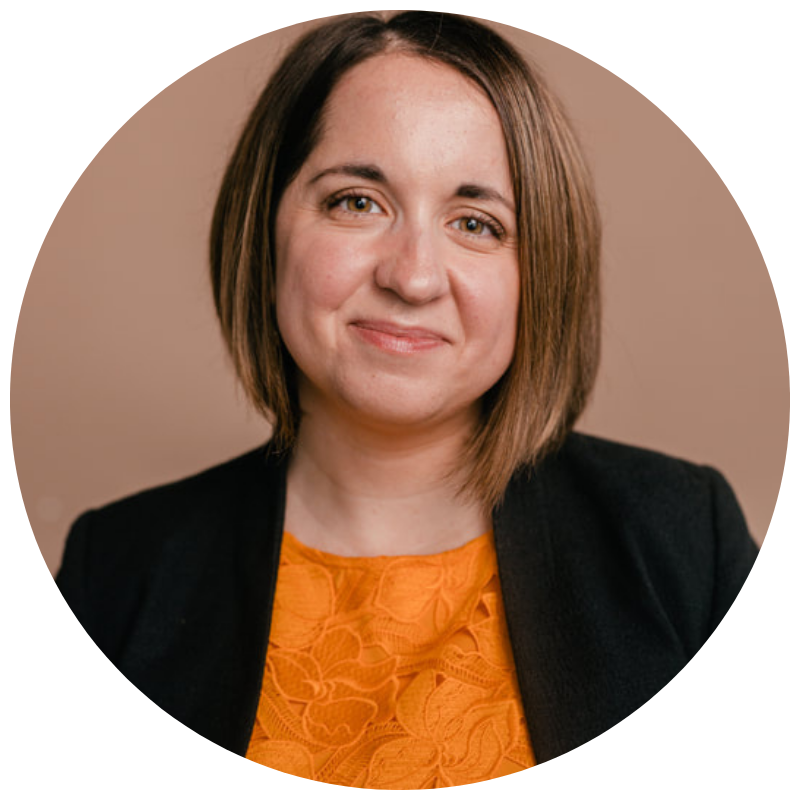
THIS COURSE CONSISTS OF 7 ON-DEMAND MODULES:Module 1: Foundations of Accessibility and Neuro-inclusivity This foundational module introduces accessibility and the history of people with disabilities in the United States. You’ll review key federal legislation and policies that guide public library compliance, explore disability-related language and models of disability, and learn essential concepts related to disability justice and neuro-inclusion. You’ll also discover data tools that support advocacy, funding, and service planning, while reflecting on personal experiences with disability and ableism to build stronger accessibility awareness. Module 2: Serving and Supporting Communication Differences This module explores the wide range of communication differences and how libraries can support patrons with diverse communication needs. You’ll learn about Augmentative and Alternative Communication (AAC), plain language practices, and strategies to improve accessibility across websites, marketing materials, and everyday interactions. By the end of the module, you’ll feel more confident communicating across platforms, formats, and modalities. Module 3: Serving and Supporting Physical Disabilities Focusing on mobility and physical disabilities, this module examines how libraries can improve physical spaces and services to be more welcoming and accessible. You’ll learn the difference between compliance, accessibility, and universal design, explore assistive technologies, and review best practices for respectful customer service. The module also addresses Requests for Accommodations and strategies for improving library facilities and policies. Module 4: Serving and Supporting Deaf and Hard of Hearing Patrons This module introduces Deaf culture and inclusive service strategies for patrons who are Deaf or Hard of Hearing. You’ll learn best practices for one-on-one interactions, accessible collections, technology, and equipment, as well as how hearing dogs and service animals support equitable access. The module emphasizes legal, respectful, and inclusive service approaches in public libraries. Module 5: Serving and Supporting Intellectual Disabilities Centered on dignity, choice, and independence, this module explores person-centered design and the Olmstead Act as they apply to public libraries. You’ll examine inclusive programming, volunteer and job opportunities, policy considerations for vulnerable adults, and strategies for supporting inclusive summer reading programs. The module also covers relationship-building, boundaries, and peer-to-peer support. Module 6: Serving Patrons with Mental Illness and Supporting Mental Health This module addresses mental health as an “invisible disability” under the Americans with Disabilities Act. You’ll learn about common diagnoses, stigma reduction, trauma-informed service approaches, and community partnerships. Explore library-based supports such as calming spaces, social narratives, and mental health initiatives designed to promote safe and positive patron interactions. Module 7: Serving and Supporting Neurodivergent Patrons The final module expands disability frameworks through the lens of neurodiversity. You’ll explore neurodivergent identities such as Autism, ADHD, Dyslexia, and sensory processing differences, and learn practical strategies for adapting communication and library environments. By the end of the module, you’ll be prepared to advocate for greater accessibility and neuro-inclusion in your library. Renee Grassi, Accessibility Consultant and Librarian
When libraries talk about accessibility, staff are often given the big-picture message without enough help applying it in actual service situations. Led by an accessibility consultant and librarian with lived experience navigating these interactions from both sides, this course is built to close that gap. It focuses on the everyday interactions where accessibility either becomes real or quietly breaks down, and it gives public library staff more concrete ways to respond. Across seven self-paced modules, you will explore the foundations of accessibility and neuro-inclusivity in libraries and then move into more specific service situations involving communication differences, physical disabilities, Deaf and hard of hearing patrons, intellectual disabilities, mental health conditions, and neurodivergence. The goal is not just to talk about inclusion in the abstract. It is to help staff make the library easier to use, easier to navigate, and more welcoming in ways patrons can actually feel.
|