Accessibility Without Overwhelm
Library Programs That Actually Work for Disabled Patrons
 |
Course Details Choose a session. Registration deadlines September 24, 2026; and January 21, 2027.
 6 Self-Paced Course Modules
 18 Credit Hours (Fall/Spring)
 Recommended for public library staff who plan or lead community programs
 $329 (Save with early bird and group rates!)
Most staff are not trying to exclude anyone. They’re trying to plan programs while quietly wondering what they’ve missed. This course gives you a practical way to make library programs more accessible without starting from scratch.
YOU'VE HAD THESE THOUGHTS:
You do not need to rebuild everything. You need a clear way to evaluate and adjust what you already offer. PART OF A PROFESSIONAL CERTIFICATION SERIESAccessibility Without Overwhelm is one course in the Accessible Public Libraries 3-Course Certification Series. Enroll individually or purchase the full certificate bundle at a reduced rate. (Best value.)
$329 | Save with early bird and group rates. $329 | Save with early bird and group rates. Need flexibility? Once materials are released, you can start any time during your 6-month access period and move through the course at your own pace.
Invoice or PO options: Orders of $600 or greater can choose invoice at checkout. For orders under $600, please do not check out online. Submit this form, and we will process your order manually. Need approval? Email this course to your supervisor. TRAINING A TEAM?This course is a great fit for staff involved in community programs, youth services, or adult services who want a shared approach to accessibility. Multi-seat discounts are automatically calculated in the cart. Return to Full Course Catalog AFTER YOU ATTEND THIS COURSE, YOU'LL BE ABLE TO:
You will leave with planning work already underway and a framework you can apply across future programs. WHO THIS COURSE IS FORThis course is for public library staff who plan, support, or oversee community programs and want to make those programs more accessible in practical, sustainable ways.
This includes Youth Services Librarians, Teen Services Librarians, Adult Services Librarians, Programming Coordinators, Library Managers, Directors, and any staff member involved in planning or supporting public programs. If accessibility feels important but complicated, this course will help you approach it in a structured, manageable way. THIS COURSE CONSISTS OF 6 ON-DEMAND MODULES:Module 1: Finding Your Library’s Purpose in Accessible Programming: Assessment and Engagement This foundational module helps you understand why accessibility work matters and how to begin it with purpose. You will explore strategies for gathering authentic feedback from people with disabilities, their families, and caregivers. Learn to design short community surveys, hold inclusive conversations, and analyze real responses to decide your library’s priorities. You will finish this module with a draft plan for community assessment and engagement that fits your local reality.
Module 2: Developing Sustainability through Community Partnerships Accessibility becomes lasting only when it is shared work. This module guides you through what allyship looks like in practice and how to build lasting collaborations with disability partners. You will learn the OF/BY/FOR/ALL approach and see how it can apply directly to library programming. Through mapping exercises and case examples, you will identify potential partners in your own community and outline first steps toward connection and trust.
Module 3: Inclusive Library Programming for Children Ages Birth to Grade 5 Early library experiences shape how families view inclusion. In this module, you will explore how to design children’s programs that welcome all abilities while supporting caregivers. Learn how to adapt storytimes, clubs, and events to reduce sensory, physical, and social barriers. See examples of family-centered programming models, including Sensory Storytime, Sensory-Friendly Movie programs, and Accessibility Hour events. You will also practice evaluating your current programs through an accessibility lens.
Module 4: Inclusive Library Programming for Teens in Grades 6 to 12 This module focuses on how libraries can support and connect with disabled and neurodivergent teens. Explore programming ideas such as adaptive gaming, social clubs, and life skills workshops that help teens build confidence and friendships. Review real examples from libraries that have created welcoming spaces for neurodivergent participants and learn practical techniques for communication, group facilitation, and collaboration with caregivers or educators.
Module 5: Inclusive Library Programming for Adults Inclusive programming does not stop at childhood. In this module, you will examine how to make adult and intergenerational library programs accessible to patrons with a wide range of disabilities. Study the Next Chapter Book Club model, memory cafés, and other inclusive examples that build connection and community. Create a customized Library Program Accessibility Checklist to use with any future program and apply it to real scenarios from your own library.
Module 6: Accessible Marketing Strategies for Programs Serving Patrons with Disabilities Finally, learn how to make sure your accessible programs are seen and understood by the people they serve. This module shows you how to improve the readability and design of your library’s online and printed materials using clear language and accessibility standards such as WCAG 2.2. Explore examples of successful communication strategies and community outreach efforts, then start building a marketing and communications plan that amplifies your inclusive work.
COURSE ADVISOR & INSTRUCTOR
Renee Grassi, Accessibility Consultant and Librarian
WHO SHOULD TAKE THIS COURSEThis course is designed for public library staff who plan, lead, or support community programming and want a more practical, sustainable approach to accessibility for disabled patrons. SESSIONS AND PRICINGEarly bird pricing ends one month before the registration deadline. Course materials unlock on the registration deadline date.
GROUP OPTIONS Training a team? Choose the setup that matches how you want to plan and pay: Group course enrollment: Enroll 3+ staff in this course and save. Bulk course credits: Prepay once, get the highest per-seat discount on every course, and assign seats later. Unlimited annual licensing: System-wide access for a year with no per-course approvals. Request Discounted Group Pricing Questions? Email groupsales@libraryjournal.com. COURSE FORMATThis is a fully self-paced, asynchronous online course consisting of six modules. Each module is designed to help you apply accessibility thinking to real library programming work through instruction, examples, reflection, and practical planning tools you can use in your own setting. If you are focused on a specific audience, Modules 3, 4, and 5 are also available as standalone options. The full course includes all six modules for a broader approach across assessment, partnerships, age-specific programming, and marketing.
EXPECTED TIME COMMITMENTEach module is designed to take approximately four hours to complete, for a total of 24 (Summer)/18 (Fall/Spring) professional development credit hours. You may move through the course at your own pace and on your own schedule.
ALL THE DETAILSIf you plan or support library programs, you’ve probably had this moment. You’re planning a program you’ve run ten times before, and you think, “Is this actually accessible?” And then immediately: “If I try to change it, am I going to get it wrong?” Accessibility can feel like walking a tightrope. You want to make sure disabled patrons are included and welcomed. You don’t want to single anyone out or make someone feel different. You don’t want to accidentally offend someone while trying to do the right thing. And you definitely don’t have time to rebuild your entire programming calendar from the ground up. This course focuses on the programs you’re already running and helps you think through how to adjust them thoughtfully. You’ll work through community assessment, partnerships, and practical strategies for children’s, teen, and adult programming. You’ll also look at how your marketing shapes who feels invited to show up. Nothing in this course assumes you have unlimited time or staff. The focus is on steady, realistic improvements that you can maintain. This course is fully self-paced, allowing you six months of access to complete all six modules at your own pace. The full course provides a comprehensive approach across assessment, partnerships, age-specific programming, and marketing. If you are focusing on a particular audience, individual age-specific modules are also available as standalone options. If accessibility has felt important but also intimidating, this course gives you a way to move forward with more clarity and less second-guessing.
ON-DEMAND ACCESSYou will have access to all course materials for six months from the materials unlock date.
CERTIFICATE OF COMPLETIONComplete all six modules to earn 24 (Summer)/18 (Fall/Spring) professional development credit hours and a Library Journal certificate of completion. Certificates are emailed upon completion.
ACCESSIBILITYAll video recordings feature auto-captioning. If you require accommodations, please email course-support@libraryjournal.com upon registration and we will make our best efforts to support your needs.
SUPPORTFor technical or course-related support, please contact course-support@libraryjournal.com. |
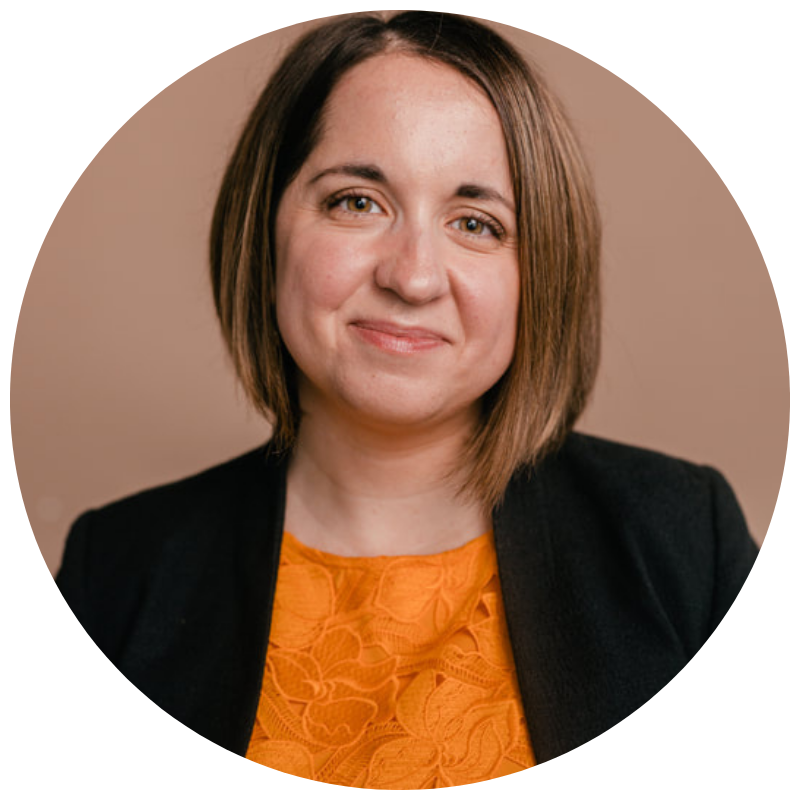 Author, trainer, librarian, administrator, teacher, and accessibility consultant Renee Grassi is an advocate for equity, diversity, inclusion, and accessibility in libraries, schools, and communities. As a neurodivergent librarian herself, Renee has worked in public libraries for over 17 years, developing award-winning library initiatives that welcome, support, and empower disabled residents and their families and caregivers. Learn more at