Accessible Public Libraries
A 3-Course Certification Series
 |
Course Details Register by October 21, 2026 (Fall) or June 10, 2027 (Spring)
 3 Self-Paced Courses
 52 Credit Hours
 Recommended for public library workers and leaders.
 $849 | Save with group rates
Accessible service. Accessible space. Accessible programs.Library accessibility cannot be left up to chance or best guesses because disabled patrons deserve to feel at home in the library, too. But how can you ensure that you create programs, customer service practices, and physical spaces that will work for everyone? This 3-part accessibility bundle is here to help. All three courses are fully self-paced and can be taken in any order.
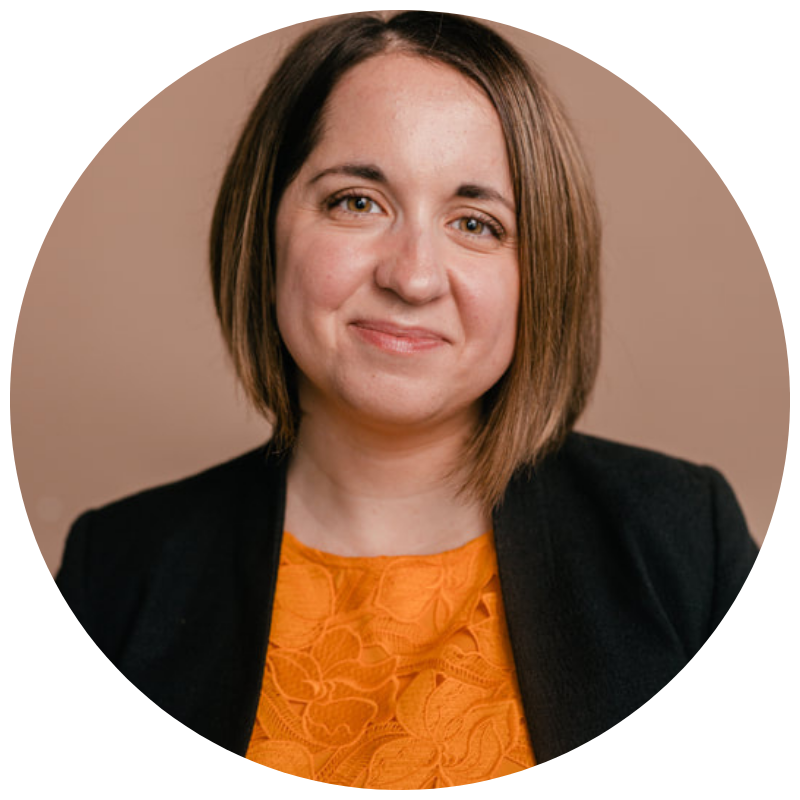
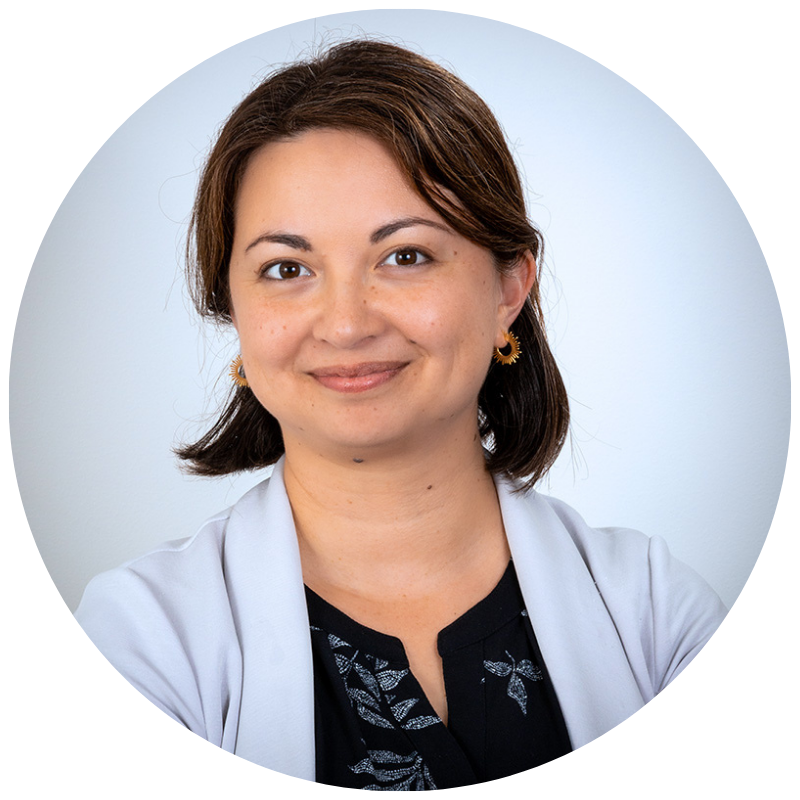
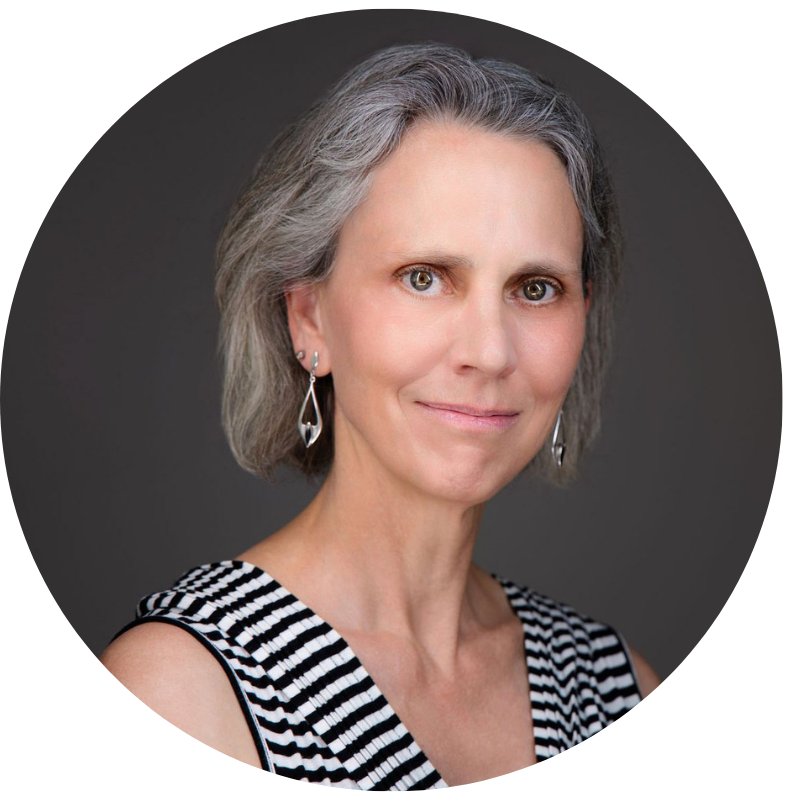
Together, learn how to create a comprehensively accessible public library. ABOUT THIS CERTIFICATION SERIESAccessible service. Accessible space. Accessible programs. Self-Paced Course Materials This is a series of three self-paced courses that can be taken in any order. You will have access to each course for six months after their respective start dates. enroll for spring 2027 session Need an invoice or PO? Orders of $600 or greater can choose invoice at checkout. For orders under $600, submit this form , and we will process your order manually. Need approval? Email your supervisor to share this certification series. . TRAINING A TEAM?Multi-seat discounts are automatically calculated in the cart. Return to Full Course Catalog INCLUDED COURSESThis certification series includes 3 self-paced courses. Each one builds on the last, and together they provide a complete foundation for accessible public library spaces and services. Accessibility Without Overwhelm - Library Programs That Actually Work for Disabled Patrons If you plan or support library programs, you've probably had this moment. You're planning a program you've run ten times before, and you think, "Is this actually accessible?" And then immediately: "If I try to change it, am I going to get it wrong?" Accessibility can feel like walking a tightrope. You want to make sure disabled patrons are included and welcomed. You don't want to single anyone out or make someone feel different. You don't want to accidentally offend someone while trying to do the right thing. And you definitely don't have time to rebuild your entire programming calendar from the ground up. This course focuses on the programs you're already running and helps you think through how to adjust them thoughtfully. You'll work through community assessment, partnerships, and practical strategies for children's, teen, and adult programming. You'll also look at how your marketing shapes who feels invited to show up. Nothing in this course assumes you have unlimited time or staff. The focus is on steady, realistic improvements that you can maintain. This course is fully self-paced, allowing you six months of access to complete all six modules at your own pace. The full course provides a comprehensive approach across assessment, partnerships, age-specific programming, and marketing. If you are focusing on a particular audience, individual age-specific modules are also available as standalone options. If accessibility has felt important but also intimidating, this course gives you a way to move forward with more clarity and less second-guessing. Making Your Library Space Work For Every Body This course starts from a simple reality: a library space can be technically accessible and still not work well for the people using it. Entrances, seating, signage, acoustics, lighting, service points, and staff areas all shape whether people feel welcome, comfortable, and able to use the library fully. This course helps you look at those spaces more carefully and more practically. Across four modules, you will build a shared foundation in accessibility and universal design, learn how to evaluate spaces using audit tools and observation, gather patron and employee input, and turn what you find into realistic recommendations. The course is designed to help you make progress whether you are starting small or thinking about longer-term planning. Serving Disabled Patrons: What Actually Helps (Beyond Good Intentions) When libraries talk about accessibility, staff are often given the big-picture message without enough help applying it in actual service situations. Led by an accessibility consultant and librarian with lived experience navigating these interactions from both sides, this course is built to close that gap. It focuses on the everyday interactions where accessibility either becomes real or quietly breaks down, and it gives public library staff more concrete ways to respond. Across seven self-paced modules, you will explore the foundations of accessibility and neuro-inclusivity in libraries and then move into more specific service situations involving communication differences, physical disabilities, Deaf and hard of hearing patrons, intellectual disabilities, mental health conditions, and neurodivergence. The goal is not just to talk about inclusion in the abstract. It is to help staff make the library easier to use, easier to navigate, and more welcoming in ways patrons can actually feel. Renee Grassi, Accessibility Consultant and Librarian
Robin Davis, Associate Head of User Experience, NC State University Libraries
Susanna Cowan, Assessment Strategist, UConn Library (University of Connecticut)
Kara Flynn, Archives Education & Outreach Coordinator, University of Connecticut
Carli Spina, Head of Research & Instructional Services, FIT Library
Scott Young, User Experience Librarian, Montana State University
Jacqueline Frank, Assistant Professor, Instruction & Accessibility Librarian, Montana State University Library
WHO SHOULD TAKE THIS SERIESThis series is designed for public library workers and leaders. It is especially helpful for learners who want a structured, multi-course path to building deeper skills in accessibility. GROUP OPTIONSTraining a team? Choose the setup that matches how you want to plan and pay: Group course enrollment: Enroll 3+ staff in this series and save. Bulk course credits: Prepay once, get the highest per-seat discount on every course, and assign seats later. Unlimited annual licensing: System-wide access for a year with no per-course approvals. Request Discounted Group Pricing Questions? Email groupsales@libraryjournal.com. SERIES FORMATThis series includes 3 courses designed to build skills progressively across the full program. All courses are fully self-paced and asynchronous, allowing you to move through the content on your own schedule. EXPECTED TIME COMMITMENT If you complete all 3 courses in the series, you will spend approximately 52 hours on the full bundle. Upon completion of the full series, you will earn 52 hours of professional development credit, certificates of completion, and your Library Journal Library Accessibility certification.
ALL THE DETAILSThis series provides a structured path through accessibility. Rather than taking a single course in isolation, participants build knowledge and skills across multiple related areas, with each course adding depth and practical application. The program is designed to help you move beyond one-off learning and build a stronger, more complete professional toolkit. By the end of the courses, you will have completed all required coursework and earned credentials that reflect sustained engagement and applied learning in accessibility.
ON-DEMAND ACCESSAll materials and recordings included in this series will remain accessible for six months following the final course or session in the series.
CERTIFICATE OF COMPLETIONComplete each course in this series to earn your certificates of completion from Library Journal (one per course).
ACCESSIBILITYAll video recordings feature auto-captioning. If you require accommodations, please email course-support@libraryjournal.com upon registration and we will make our best efforts to support your needs.
SUPPORTFor technical or course-related support, please contact course-support@libraryjournal.com. |