Need flexibility? Once materials are released, you can start any time during your 6-month access period and move through the course at your own pace.
Invoice or PO options: Orders of $600 or greater can choose invoice at checkout. For orders under $600, please do not check out online. Submit this form, and we will process your order manually.
When your team learns how to recognize escalation, respond consistently, and set boundaries the same way, situations are handled more calmly, safely, and predictably across your library.
Multi-seat discounts are automatically calculated in the cart.
Recognize when a situation is starting to escalate and respond early, before it turns into something harder to manage
Stay grounded and steady in tense moments, instead of feeling overwhelmed, reactive, or shaken afterward
Use clear, practical de-escalation techniques, including what to say, how to say it, and how to position yourself physically
Apply a trauma-informed lens so you can respond with empathy without losing control of the interaction
Set and hold professional boundaries without escalating the situation or second-guessing yourself afterward
Regulate your own stress response during and after difficult interactions so you are not carrying it with you all day
Choose the right approach for different types of incidents, from everyday conflict to higher-intensity situations
You will leave with specific language, techniques, and decision-making tools you can actually use at the desk, not just ideas to think about later.
This course is especially helpful for:
Frontline library staff who regularly interact with the public and handle difficult or unpredictable situations
Supervisors and managers who need to support staff through challenging interactions and build safer daily practices
Library workers in public-facing roles where conflict, emotional situations, or policy enforcement are part of the job
Staff responsible for training others and looking for practical strategies they can bring back to their team
Anyone who has ever walked away from an interaction thinking, “I wish I had handled that differently”
If that sounds like your role, you will probably see yourself in this course.
If you are someone who:
Feels tense, shaken, or drained after difficult patron interactions
Struggles to stay calm in the moment or finds yourself getting defensive when things escalate
Wants to set clearer boundaries but worries about making the situation worse
Needs simple, repeatable techniques you can actually remember under pressure
Wants to feel more confident handling conflict without relying on someone else to step in
This course was built for you.
THIS COURSE CONSISTS OF 5 ON-DEMAND MODULES:
Module 1: Foundations of Conflict Management
This introductory module explores the nature of difficult situations as the first step toward resolution. You will learn how to identify different types of conflict, understand common triggers, and examine the role emotions play during tense interactions. The focus is on shifting from reactive responses to calm, proactive approaches to conflict.
Module 2: Safety through Trauma-Informed Practices
Trauma-informed practices are essential for promoting safety in libraries. In this module, you will learn how past experiences can influence behavior and how to respond with empathy and compassion. The emphasis is on creating a safer environment for everyone by prioritizing understanding and respect in all interactions.
Module 3: De-Escalation Techniques
This module provides practical strategies for de-escalating tense interactions. You will learn how to use reflective listening, empathetic language, and controlled body language to calm situations before they escalate. The module highlights the importance of safety, communication, and choice in the de-escalation process.
Module 4: Boundaries and Self-Care
How do you protect your own well-being before, during, and after difficult encounters? This module covers how to recognize your role and responsibilities during a crisis or tense situation. You will learn practical strategies for setting personal boundaries and practicing self-care, and you will create a personalized reference list to help you remain safe and effective in your role.
Module 5: Safety in Situations
This final module introduces real-world scenarios that require specific safety responses, building on the foundational knowledge developed in earlier modules. Topics include responding to mental health crises, drug overdoses, active shooter situations, environmental emergencies, and protests occurring in or around the library. Each scenario includes a framework for assessing risk and determining appropriate actions to ensure safety for all.
COURSE ADVISOR & INSTRUCTOR
Robert Simmons, Director of Social Services and Public Safety, Oak Park Public Library
Since March 2016, Rob has been Director of Social Services and Public Safety at Oak Park Public Library (IL). Rob is one of the first social workers hired to integrate a social services model into a public library system in the United States. His innovative work has resulted in programs that provide resources such as free mental health assessments and counseling, educational support for low-income students, supportive housing advocacy, and employment assistance. He earned a Bachelor’s degree in Human and Organizational Development from Vanderbilt University and a Master’s degree in Social-Service Administration from The University of Chicago.
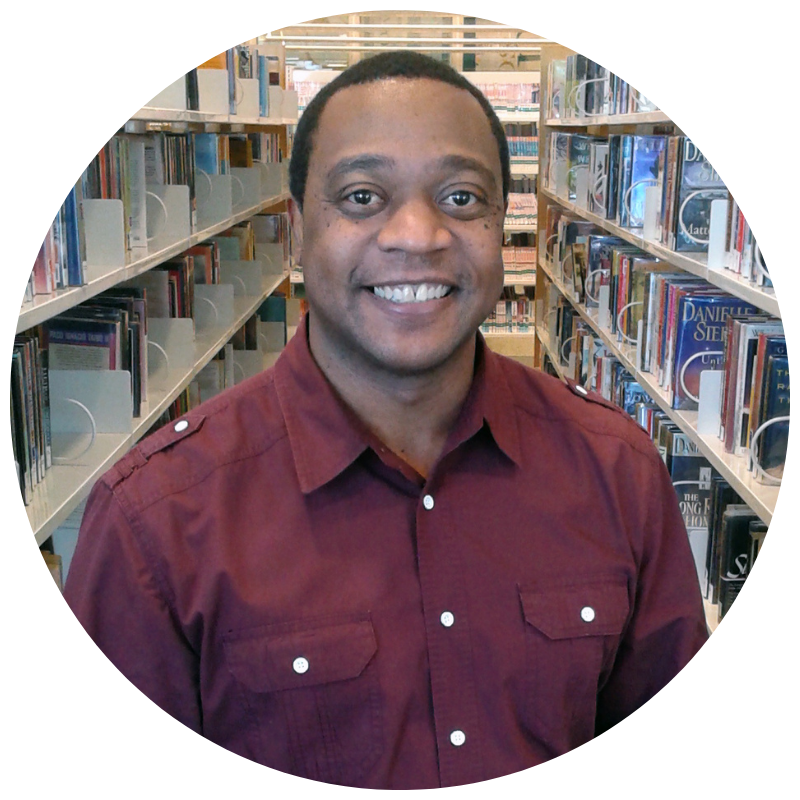
COURSE INSTRUCTORS
Eddie Kristan (he/him), MLIS, Assistant Head of Fiction, AV, and Teen Services, Mount Prospect Public Library
Eddie Kristan (he/him) is a librarian in the north suburbs of Chicago who specializes in trauma-informed public services with attention paid to preserving access to marginalized populations or patrons in stages of crisis. He began his career as the head of a security team and was named one of Library Journal's Movers and Shakers in the Community Builders category in 2020 before becoming a librarian. He now works with a team of popular materials and teen librarians and is passionate about access for the public and sustainability for his fellow library workers.
Aaron Alonzo, Manager of Public Safety, Oak Park Public Library
With nearly two decades of experience in safety, security, and community engagement, Aaron Alonzo is a dedicated public safety professional committed to creating safe, welcoming, and equitable environments. Aaron served as a police officer, gaining firsthand expertise in crisis response, de-escalation, and community-centered policing. He now leads as Manager of Public Safety for the Oak Park Public Library system, overseeing safety operations while fostering a culture of compassion and respect. Aaron works closely with social service partners to support unhoused individuals, connecting them with vital resources and pathways toward stability. He is also a trainer in empathy-based communication and Verbal Judo, equipping staff with tools to de-escalate conflict, build rapport, and navigate challenging interactions with confidence and care. Aaron’s career is defined by his belief that safety and dignity go hand-in-hand and that strong communities are built through understanding, collaboration, and consistent leadership.
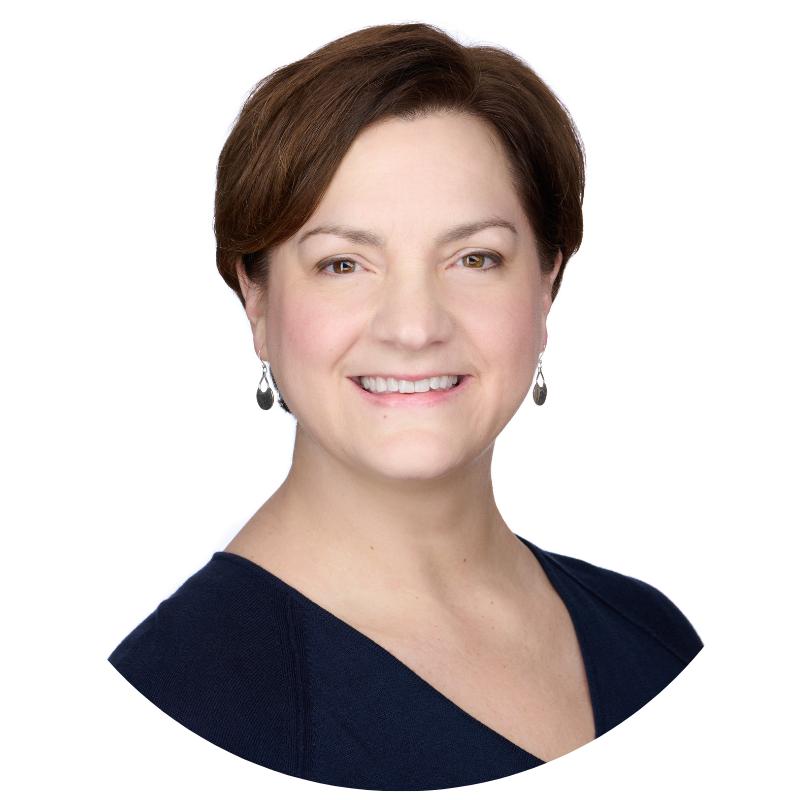
Beth Wahler, Ph.D., Consultant
Dr. Beth Wahler is a consultant, researcher, trainer, and experienced administrator with a primary focus on helping library workers respond effectively to the complex challenges of serving the public while also prioritizing their own well-being and supporting one another in the workplace. She specializes in addressing the needs of individuals experiencing mental health challenges, substance use, homelessness, poverty, and trauma, and in equipping staff with practical, trauma-informed strategies to navigate these interactions with confidence and care.
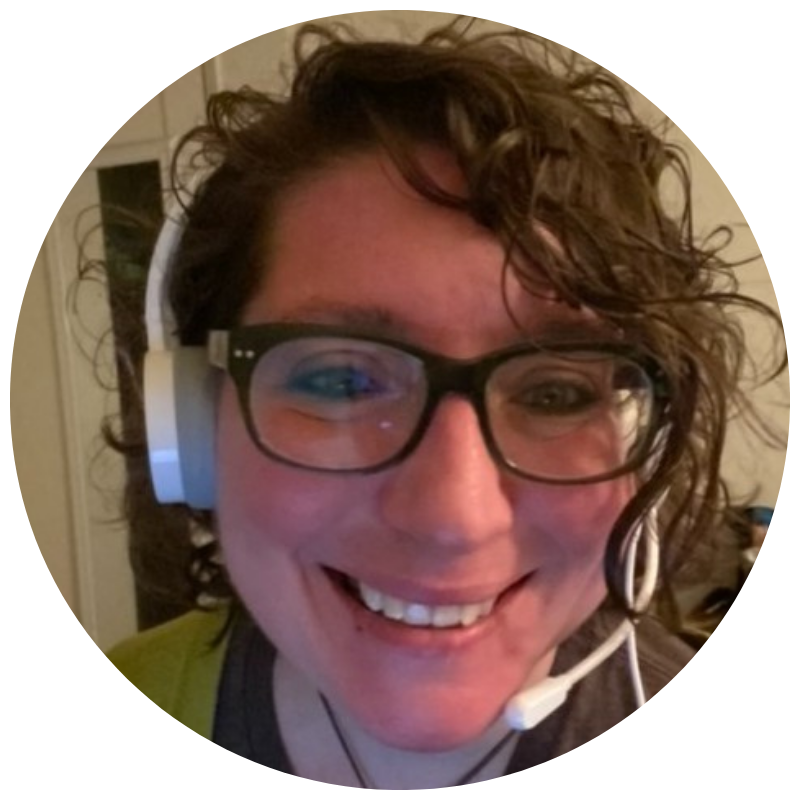
Bryce Kozla, Librarian II at Washington County Cooperative Library Services
Bryce Kozla is an Oregon librarian and community booster in Washington County, OR, striving to connect with the glistening spots of humanity that somehow still live inside all of us. Bryce was selected to be trained by Trauma-Informed Oregon due in large part to lived experience and was tasked with creating a library-specific training curriculum on the topic in return. Bryce writes about trauma, disability justice, and other library topics at https://brycekozlablog.blogspot.com/.
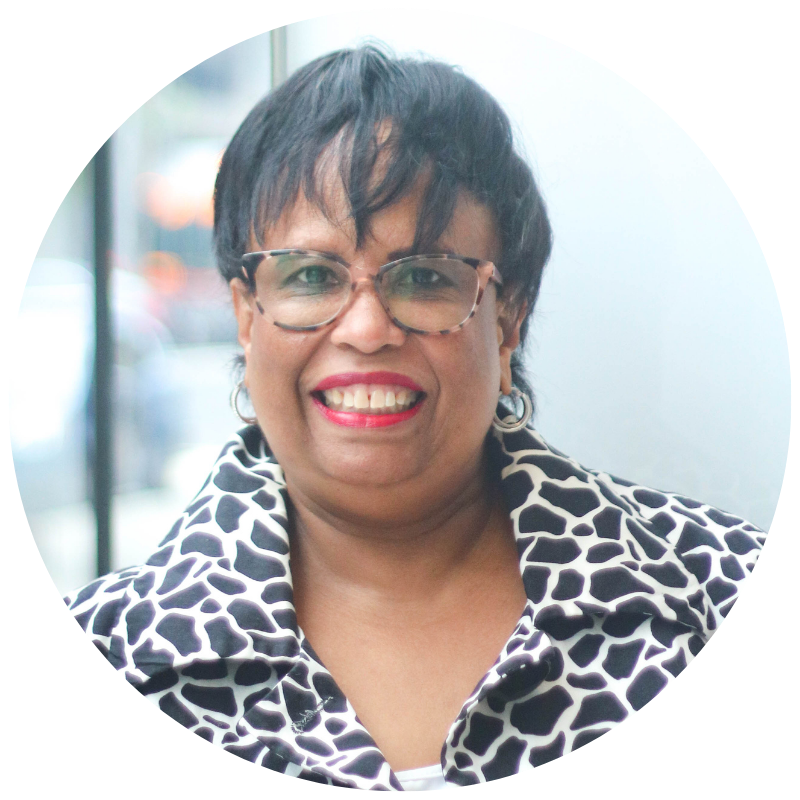
Michelle Hamiel, Chief of Programs at Urban Libraries Council (ULC)
Michelle Hamiel, Chief of Programs at Urban Libraries Council (ULC), brings more than 38 years of public library experience to ULC. Michelle leads all ULC’s programmatic work but has particularly strong expertise in economic opportunity, youth services, civic engagement, and professional development to support the evolving role of urban libraries. She previously served as Chief Operating Officer for Public Services at Prince George's County Memorial Library System, where she led the mission, vision, innovation, and operations of the system’s 19 branches and county detention center library services. Michelle holds a Master’s degree in Library and Information Science from the University of Maryland and an Executive Certificate from Georgetown University.
Libraries are meant to be safe, welcoming spaces, but frontline staff often face situations that challenge that goal. This self-paced course focuses on the kinds of situations library workers are dealing with every day: conflict, escalation, and the pressure to respond calmly when things get tense.
You’ll learn trauma-informed practices for engaging with safety concerns, methods for recognizing and responding to escalating behavior, and strategies for protecting your own well-being through boundaries and self-care. From handling difficult interactions with patrons to navigating protests, censorship incidents, or emotionally charged situations, this course gives you practical strategies you can use right away to feel safer and more supported in your library.
This is a fully self-paced, asynchronous online course consisting of 5 modules. Each module includes video instruction, slides, readings, and reflective exercises designed to connect concepts directly to your daily work.
EXPECTED TIME COMMITMENT
Each module is designed to take approximately 4 hours to complete, for a total of 20 hours. You may move through the course at your own pace and on your own schedule.
ON-DEMAND ACCESS
You will have access to all course materials for six months from the material unlock date.
CREDIT & CERTIFICATE
Complete all modules to earn 20 professional development credit hours and a Library Journal certificate of completion, which will be emailed to you.
ACCESSIBILITY
All video recordings feature auto-captioning. If you require accommodations, please email course-support@libraryjournal.com upon registration and we will make our best efforts to support your needs.