Building Programs with Your Community
(Not Just for Them)
 |
Course Details Register by October 16, 2026.
 4 Self-Paced Online Course Modules
 16 Credit Hours
 Recommended for program and outreach librarians and other stakeholders involved in creating library programs and services.
 $299 (Save with early bird and group rates!)
TIRED OF GUESSING WHAT YOUR COMMUNITY WANTS?
This course shows you how to move from guessing what your community wants to building programs with them from the start. ABOUT THIS COURSEBuild programs with your community, not just for them. Self-Paced Course Materials Co-design gives libraries a way to stop guessing and start listening. In this course, you will learn how to involve patrons, stakeholders, and community members in shaping programs and services so that what you build is more relevant, more inclusive, and more likely to matter. This is a fully self-paced, asynchronous course. You will have six months to move through the material. For more details, check out the What to Expect tab. Need approval? Email this course to your supervisor . TRAINING A TEAM?Get your team working from the same community-centered approach to outreach, programming, and relationship-building. Multi-seat discounts are automatically calculated in the cart. Return to Full Course Catalog AFTER COMPLETING THIS COURSE, YOU'LL BE ABLE TO:
If you are someone who:
This course was built for you.
This course is especially helpful for:
If you want your programs to reflect your community instead of relying on assumptions, you will see yourself in this course.
THIS COURSE CONSISTS OF 4 SELF-PACED MODULES:Module 1: Co-Design Foundations What is co-design and in what contexts is it appropriate to use? How might co-design revolutionize your outreach processes? This introductory module will lay the foundations of and methods for community co-design.
Module 2: Understanding Co-Design and Implicit Bias What is co-design, and why might it help you create more inclusive and equitable programs and services? Why is identifying implicit bias - both personally and institutionally - crucial to effective co-design work? This module will discuss how you can embrace co-design as a mindset in order to transform how you approach community-based programs and services. Leave with an understanding of the foundation for the theory and methods of co-design and practical ways co-design can enhance your library work.
Module 3: Knowing Your Community and Growing Their Involvement What do you need to know about your community to get started with a co-design project? How do you gather community interest, support, and input? This module will discuss practical strategies for researching and connecting with your community. We will also discuss methods for outreach and data collection, survey design and response analysis, as well as how to ensure you gather diverse perspectives that fully represent your community.
Module 4: Implementing Co-Design: Tools and Methods What are different ways you can enact co-design? And how do you know if your co-design process is successful? This closing module will showcase a model of co-design from beginning to end, focusing on adaptable and tangible tools you can use in the co-design process. We will discuss ways to iterate and refine the project, as well as how to establish effective metrics for evaluating progress. COURSE INSTRUCTORS
Dr. Audrey Barbakoff, CEO, Co/lab Capacity
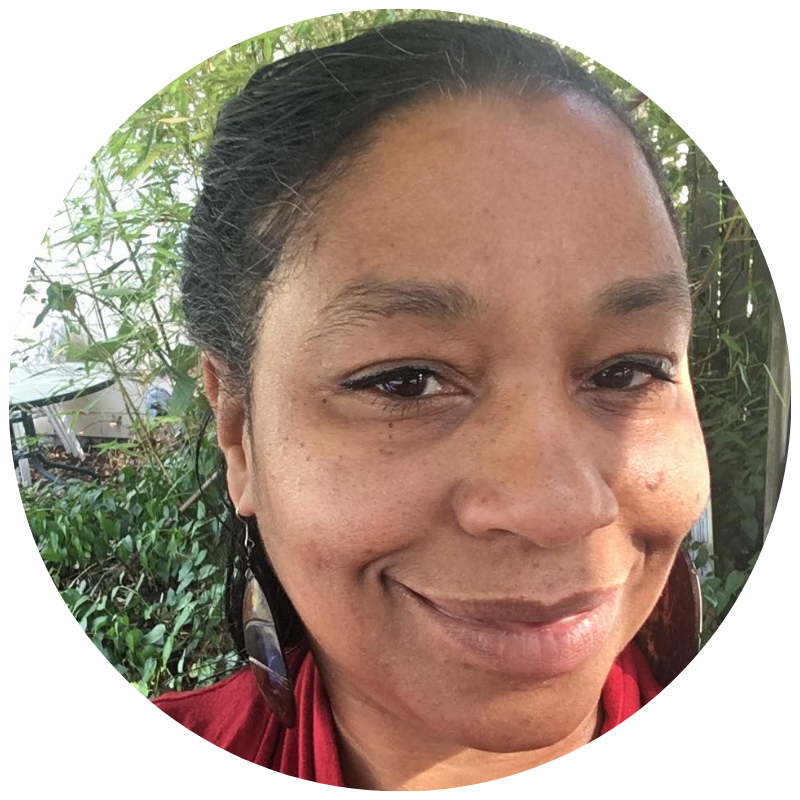
LaKesha Kimbrough, Owner, LK Consulting & Coaching and Senior Director, Seattle University Youth Initiative
Scott Young, Associate Professor and UX & Assessment Librarian, Montana State University
WHO SHOULD TAKE THIS COURSEThis course is designed for library staff responsible for programming, outreach, and community engagement who want stronger ways to involve their communities in shaping library services. REGISTRATION AND PRICINGThe registration deadline for this course is March 19, 2026. The standard registration price is $289.
GROUP OPTIONSTraining a team? Choose the setup that matches how you want to plan and pay: Group course enrollment: Enroll 3+ staff in this course and save. Bulk course credits: Prepay once, get the highest per-seat discount on every course, and assign seats later. Unlimited annual licensing: System-wide access for a year with no per-course approvals. Request Discounted Group Pricing Questions? Email groupsales@libraryjournal.com. COURSE FORMATThis is a fully self-paced, asynchronous online course consisting of 4 modules. Each module includes video instruction, slides, readings, and reflective exercises designed to help you apply community co-design strategies directly to your programming work.
EXPECTED TIME COMMITMENTEach module is designed to take approximately 4 hours to complete, for a total of 16 professional development hours. You may move through the course at your own pace and on your own schedule.
ALL THE DETAILSLibraries are increasingly expected to build programs that reflect the real interests and needs of their communities. Yet many programming decisions still rely on assumptions, internal brainstorming, or repeating what worked in the past. This course introduces community co-design as a practical approach to developing programs and services with your community rather than simply for them. You will explore strategies for gathering meaningful input, interpreting community data, and creating collaborative processes that bring patrons and partners into the design of library programming. Through examples, guided exercises, and planning tools, you will learn how to move beyond traditional outreach and build programs that reflect community priorities, attract new participants, and strengthen relationships with local partners. By the end of the course, you will have practical frameworks for gathering community insight, designing programs collaboratively, and creating programming strategies that are more responsive, inclusive, and sustainable.
COURSE ACCESSYou will have access to all course materials for six months from the material unlock date.
CERTIFICATE OF COMPLETIONComplete all modules to earn 16 professional development credit hours and a Library Journal certificate of completion. Certificates are emailed upon completion.
ACCESSIBILITYAll video recordings feature auto-captioning. If you require accommodations, please email course-support@libraryjournal.com upon registration and we will make our best efforts to support your needs.
SUPPORTFor technical or course-related support, please contact course-support@libraryjournal.com. TESTIMONIALS
"I felt really lucky to have been able to participate in this course. I feel as though the content will stay with me for a long time...this is a resource that I can return to again and again." – Spring 2025 attendee "I highly recommend this course to any library professional seeking to create more inclusive, community-centered services. The Co-Design in Libraries course offered a thoughtful blend of theory and practical tools that I can immediately apply to my work. The live sessions with expert guest speakers were engaging and inspiring, and the facilitator-led asynchronous workshop provided a supportive environment to dig deeper into how co-design can transform outreach and programming. I walked away with a clearer understanding of how to share power with community members, gather meaningful input, and design services with our patrons—not just for them. This course helped me reframe my approach to user-centered service and reminded me of the importance of empathy, iteration, and collaboration in everything we do." – Jennifer L., Librarian (Spring 2025 attendee) "I thought the Community Co-Design course was really useful in helping me understand what co-design is and how it can be a useful tool in making the library a space that best serves all members of the community. The course allowed me to think about the co-design process incrementally so that I could more thoroughly consider how to apply each step of the process to my own work and library." – Victoria M., Children’s Librarian (Spring 2025 attendee) "All of the course content was different, yet connected. The guest speakers were personal, enthusiastic and sparked new energy into my ideas and interest in co-design." – Spring 2025 attendee "I thought the speakers were all fantastic... All were so welcoming and delivered the information in an informative manner that wasn't dry or boring to listen to. They were all very knowledgeable on their material and I learned a lot from them." – Spring 2025 attendee
|