Building Readers Who Want to Read
Science of Reading for Elementary Libraries
 |
Course Details Choose a session: Registration deadlines January 28, 2027; and July 7, 2027.
 5 Self-Paced Course Modules
 15 Credit Hours
 This course is geared toward elementary librarians serving preK-3rd grade students.
 $299 | Save with group rates.
The science of reading is showing up everywhere, and elementary librarians are expected to know what to do with it. This course helps you connect those ideas to real library work without draining the joy out of reading.
YOU'RE TRYING TO HELP KIDS BECOME READERS. AND IT'S A LOT.
This course helps you translate literacy research into library practice in a way that still feels joyful, useful, and kid-centered. Need flexibility? Once materials are released, you can start any time during your 6-month access period and move through the course at your own pace.
Invoice or PO options: Orders of $600 or greater can choose invoice at checkout. For orders under $600, please do not check out online. Submit this form, and we will process your order manually. Need approval? Email this course to your supervisor. TRAINING A TEAM?Get everyone on the same page about what the science of reading means for library practice, programming, and collaboration. Multi-seat discounts are automatically calculated in the cart. Return to Full Course Catalog AFTER YOU ATTEND THIS COURSE, YOU'LL BE ABLE TO:
WHO THIS COURSE IS FORIf you are someone who:
This course was built for you.
This course is especially helpful for:
If you want to strengthen reading skills while keeping reading joyful, you will see yourself in this course.
THIS COURSE CONSISTS OF 5 ON-DEMAND MODULES:Module 1: The Librarian's Role in Literacy Development What is the role of the school librarian in helping children develop early literacy? What kind of impact can librarians have on the current literacy crisis? This opening module discusses practical ways librarians can get involved in promoting and developing student literacy. You’ll leave with a clear understanding of the scope of your role and how best to make a positive difference at your school.
Module 2: The What and Why of the Science of Reading What is the science of reading and how is it different from other methods for teaching early literacy? What are the “big six” literacy skills and competencies, and how can you apply them at your school? This module covers the foundations of current literacy research and offers tips for helping students gain confidence while reading.
Module 3: Making Sense of Book Selection Aligned with the Science of Reading How can you help readers select books for different purposes? How can you critically evaluate and select texts that better align with the science of reading? This module explores book selection strategies that support reading accuracy, automaticity, knowledge building, and reader motivation. Topics include decodable texts, limitations of early leveled texts, and when to encourage students to move toward more complex texts. You’ll leave better prepared to recommend titles that support both the science and joy of reading.
Module 4: Librarian and Teacher Partnerships to Promote Literacy How can librarians and classroom teachers partner together to increase student literacy rates? This module focuses on strategies for integrating the library more fully into classroom instruction through intentional collaboration. You’ll leave with a plan for building and maintaining meaningful partnerships that center student literacy.
Module 5: Literacy-Enriching Library Programming What types of activities or programs can you lead in your library to support literacy? This final module highlights successful school library programs and provides both large- and small-scale ideas you can implement right away. You’ll leave with practical strategies to engage students and foster a lasting love of reading.
COURSE ADVISOR & INSTRUCTORS
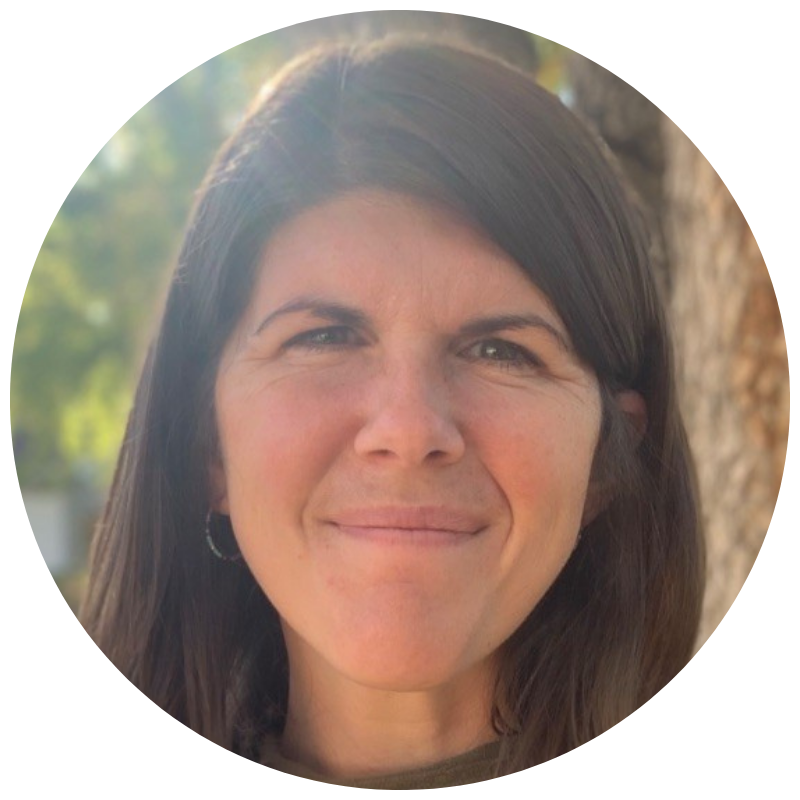
Dr. Katie Egan Cunningham, Professor and Program Director of Teacher Education at Sacred Heart University
COURSE INSTRUCTORS
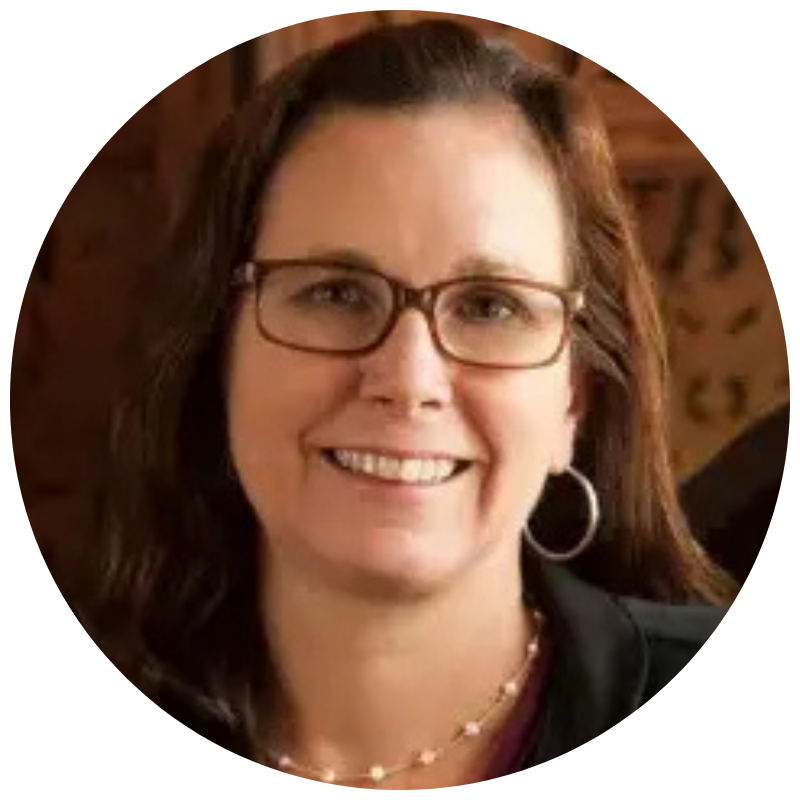
Dr. Elizabeth Dobler, Professor at Emporia State University in The Teachers College and author of Reading the Web: Strategies for Internet Inquiry
Jess Hesselberg, Youth Services Librarian, Bemis Public Library in Littleton, CO
Tim Jones, School Librarian, 2025 School Library Journal School Librarian of the Year, 2024 Library Journal Mover & Shaker, and the 2023 NAMLE K-12 Media Literacy Teacher of the Year.
Dr. Rita Reinsel Soulen, PhD, Assistant Professor, MLS Library Science, Interdisciplinary Professions, College of Education, East Carolina University
Vincent Hyland, Library Coordinator, North Brooklyn, Office of Library Services NYCDOE
The science of reading has changed how many schools approach literacy instruction. This course helps you translate those ideas into library practice, without turning reading into a compliance exercise or losing the joy that makes kids want to come back. Across five modules, you will build an understanding of the foundational skills that support skilled reading (often referred to as the “big six”), and you will explore what those skills can look like in library time through book access, read-alouds, book talks, displays, routines, programming, and targeted support for developing readers. You will also leave with practical strategies for collaboration. How to talk with classroom teachers about shared goals, how to align your library work with building literacy priorities, and how to advocate for the library’s role in creating readers who read because they want to, not because they have to.
Training a team? Choose the setup that matches how you want to plan and pay : Group course enrollment: Enroll 3+ staff in this course and save. Bulk course credits: Prepay once, get the highest per-seat discount on every course, and assign seats later. Unlimited annual licensing: System-wide access for a year with no per-course approvals. Request Discounted Group Pricing Questions? Email groupsales@libraryjournal.com. COURSE FORMATThis is a fully self-paced, asynchronous online course consisting of 5 modules. Each module includes video instruction, slides, readings, and reflective exercises designed to connect concepts directly to your daily work.
EXPECTED TIME COMMITMENTEach module is designed to take approximately 3 hours to complete, for a total of 15 hours. You may move through the course at your own pace and on your own schedule.
COURSE ACCESSYou will have access to all course materials for six months from the material unlock date.
CREDIT & CERTIFICATEComplete all modules to earn 15 professional development credit hours and a School Library Journal certificate of completion, which will be emailed to you.
ACCESSIBILITYAll video recordings feature auto-captioning. If you require accommodations, please email course-support@libraryjournal.com upon registration and we will make our best efforts to support your needs.
SUPPORTFor technical or course-related support, please contact course-support@libraryjournal.com. |