Check It Out (No, Really)
Building a Reading Culture That Drives Circulation
 |
Course Details Registration deadline: December 3, 2026 (Fall), May 6, 2027 (Spring), or August 11, 2027 (Summer).
 3 Self-Paced Course Modules
 10 Credit Hours
 Recommended for school and public library staff.
 $289 | Save with group rates.
Great collections do not circulate themselves. This course helps you build the kind of reading culture that gets books into people’s hands and keeps them coming back for more.
IS YOUR COLLECTION SITTING ON THE SHELVES WHEN IT SHOULD BE IN PATRONS' HANDS?
You’ll leave with more practical ways to connect people with books they’ll genuinely enjoy and build a reading culture that actually sticks.
Need flexibility? Once materials are released, you can start any time during your 6-month access period and move through the course at your own pace.
Invoice or PO options: Orders of $600 or greater can choose invoice at checkout. For orders under $600, please do not check out online. Submit this form, and we will process your order manually. Need approval? Email this course to your supervisor. TRAINING A TEAM?When staff share the same approach to readers’ advisory, displays, and engagement, it becomes much easier to build the kind of reading culture that keeps people checking books out. Multi-seat discounts are automatically calculated in the cart. Return to Full Course Catalog AFTER COMPLETING THIS COURSE, YOU'LL BE ABLE TO:
Together, these outcomes equip participants with practical approaches for connecting patrons with books they will enjoy and fostering a lasting culture of reading. This course is especially helpful for:
If that sounds like your role, you will probably see yourself in this course.
This course will feel especially relevant if you:
This course was built for libraries that want to turn interest in reading into actual engagement.
THIS COURSE CONSISTS OF 3 ON-DEMAND MODULES:Module 1: Children and Teens Every lifelong reader starts somewhere. This module explores how identity, literacy, discovery, and access shape a child or teen's relationship with reading — from a toddler's first storytime to a teen choosing their own books — and what public and school libraries can do to strengthen that relationship at each stage. You'll see real examples of reader’s advisory and programming that meets young readers where they are, whatever their ability or interest.
Module 2: Adults When did you last think of yourself as "a reader"? This module invites you to reflect on your own reading journey as a starting point for understanding the adults who walk through your library's doors. From a twenty-something rediscovering reading to, to an adult balancing a busy schedule, to an older adult adapting to vision changes, adults face real and varied barriers that keep them from reading. You'll explore how libraries are addressing these barriers directly, through readers' advisory, accessible formats, outreach, and more.
Module 3: Families and School Communities Reading culture isn't built alone. This module looks beyond the individual reader to the families and school communities that libraries help turn into lifelong reading environments. You'll see how public libraries build family reading culture and family literacy services, and how school libraries extend that culture to the entire school community with engaging activities and programs. COURSE ADVISOR & INSTRUCTORS
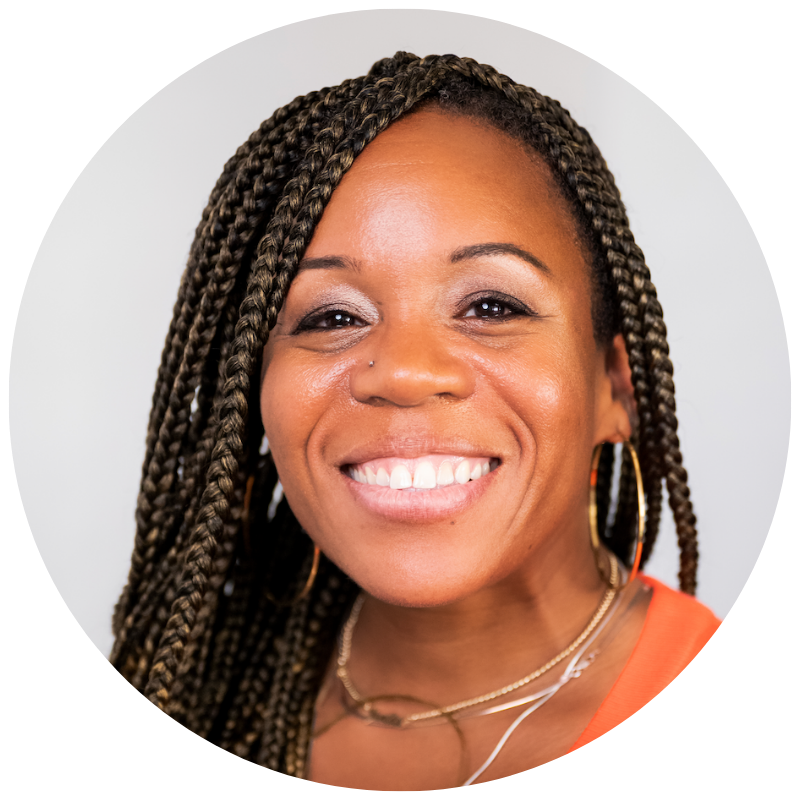
Julia Torres, Youth Services Administrator, Denver Public Library
COURSE INSTRUCTORS TO COME!Getting a book into someone’s hands is one thing. Getting them the right book—the one that makes them forget they ever said they didn’t like reading—is something else entirely. This course focuses on how to make those connections happen more consistently. You’ll build a practical approach to creating a reading culture in your library. That includes strengthening your readers’ advisory skills, designing experiences that make books more appealing, and addressing the real challenges that get in the way, from time constraints to reading identity to competing distractions. The goal is not a quick spike in circulation, but a more sustainable pattern of engagement.
|