Behavior Management for Middle & High School Libraries
Course Details
Registration deadline February 11, 2027 (Spring), or August 4, 2027 (Summer).
3 Self-Paced Course Modules
10 Credit Hours
Recommended for grades 6-12 school librarians.
$289 | Save with group rates.
Dealing with behavioral issues in middle and high school is overwhelming at best. This course gives you a library-specific way to handle behavior so you can protect the space, keep things moving, and stop feeling like you are managing chaos with no backup.
Clearer ways to set expectations that actually land with older students
More practical strategies for handling mixed-use spaces, drop-ins, and classroom visits
A stronger plan for responding when things go sideways without escalating them
IS MANAGING STUDENT BEHAVIOR GETTING IN THE WAY OF EVERYTHING ELSE?
You’re balancing open-access periods, whole-class visits, and drop-ins, often all at once.
You don’t have the same authority structure classroom teachers have, and students know it.
You want a space students actually want to use, but not one where anything goes.
You’ll come away with a practical behavior management framework so you can build a space students actually want to use, on terms that work for everyone.
Need flexibility? Once materials are released, you can start any time during your 6-month access period and move through the course at your own pace.
Invoice or PO options: Orders of $600 or greater can choose invoice at checkout. For orders under $600, please do not check out online. Submit this form, and we will process your order manually.
If multiple staff are supporting student behavior in middle or high school library spaces, this course helps your team align on expectations and responses so students get a more consistent experience.
Multi-seat discounts are automatically calculated in the cart.
Apply the six phases of learning to design engaging, adolescent-appropriate library instruction.
Design collection development and passive programming strategies that foster safety, belonging, and student buy-in.
Design a library space, schedule, and set of expectations that reflect the secondary library's distinct authority structure.
Apply proactive strategies — orientation, relationship-building, proximity, and student choice — to prevent behavior issues across open-access, mixed-use, and whole-class periods.
Collaborate with classroom teachers to establish shared expectations and support during simultaneous demands on the library space.
Explain how brain development and trauma shape adolescent behavior.
Apply de-escalation techniques — such as misdirection and co-regulation — to respond to dysregulated or escalating behavior.
You will leave with a practical framework designed for the realities of the middle and high school library, not adapted from approaches that were never built for your context.
If you're someone who:
is working with students who don’t necessarily want to be there and aren’t shy about showing it
is managing a mix of open-access time, classes, and drop-ins, all happening at once
feels like expectations are unclear or inconsistently enforced, and students take advantage of that
is navigating eye rolls, pushback, or low-level disruption that chips away at your time and energy
wants to keep your library welcoming without letting it turn into a space where anything goes
This course was built for you.
This course is especially relevant for:
middle and high school librarians working in grades 6 through 12
library staff managing open-access or mixed-use library spaces
librarians balancing instruction, supervision, and student support at the same time
anyone working with adolescents in a space that functions as both a classroom and a social environment
If you’re trying to run a space that feels both welcoming and functional, and not constantly negotiate every expectation, you’ll find this useful.
THIS COURSE CONSISTS OF 3 ON-DEMAND MODULES:
Module 1: Building Your Library's Behavior Foundation
Preventing problems before they start involves designing environments for pre-teens and teens. This module will cover stages of learning that are developmentally appropriate for adolescents and can be applied in instruction and programming. In addition, you’ll explore ways to foster a safe space through collections and passive programming. By creating a culture of understanding and belonging, you will promote student buy-in and respect for the library, and set everyone up for success.
Module 2: Proactive Management in Practice
Sometimes you just want to know what to do. This module covers real-world tactical ideas, including proactive and reactive approaches to behavior management. In addition, you’ll learn ways to address the gap in expectations from a classroom to the library, working with teachers, and how to approach rotating schedules vs. mixed-use periods. At the core of all these strategies is an emphasis on building relationships with students to encourage a positive environment.
Module 3: Complexity in the School Library
Some behavior in the library is more challenging than others. Chronic disruptors, distressed students, and unexpected crises require a different set of skills and approaches. This module will explain the neuroscience behind adolescent behavior, and teaches de-escalation techniques, like misdirection and co-regulation. You’ll end this module with a full toolbox of strategies and a personalized behavior plan to put to use right away.
COURSE ADVISOR & INSTRUCTORS
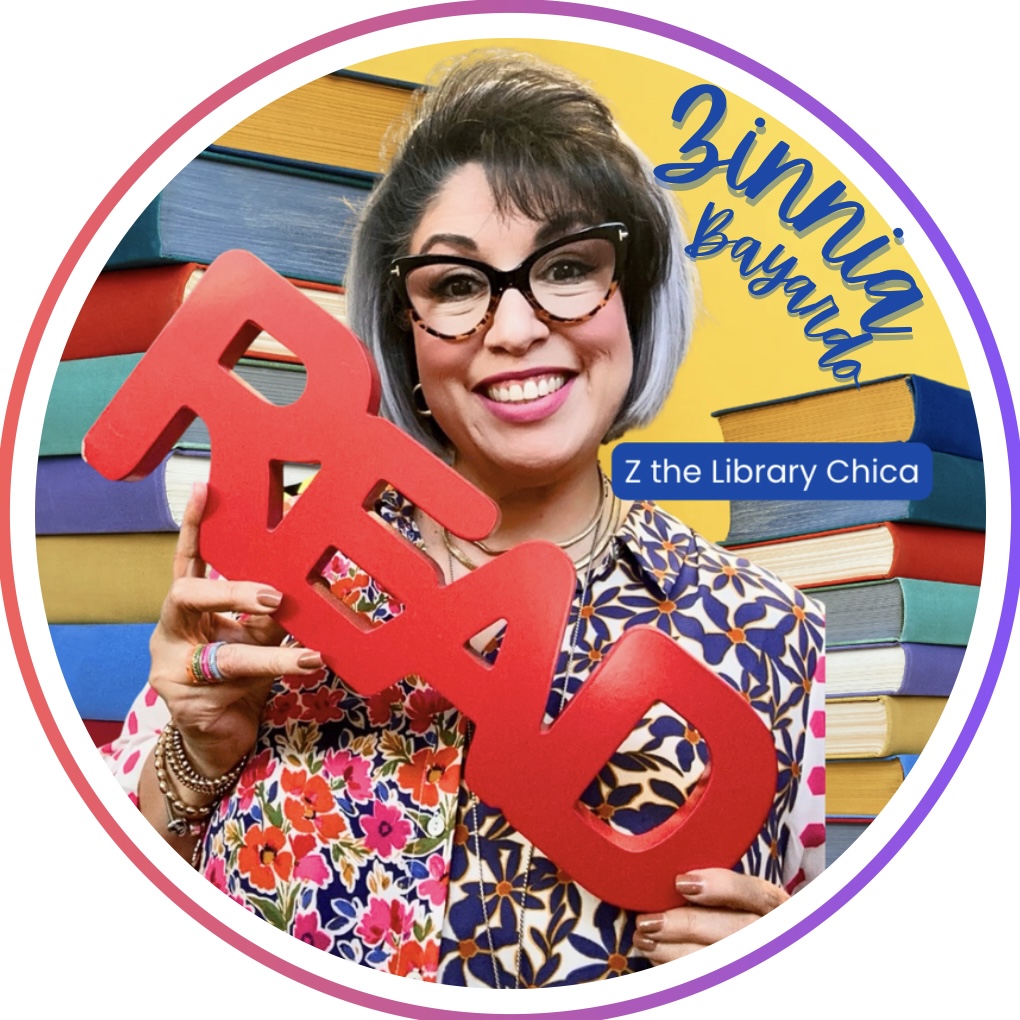
Zinnia Bayardo, Library Instructional Support Specialist in a Texas district
Zinnia is a BOOK-loving, techie, CHICANA TEACHER-LIBRARIAN who celebrates her bilingual, bicultural identity, working to bridge the linguistic divide one libro at a time! Promoting and sharing LIBROS, CULTURA, y COMUNIDAD - BOOKS, CULTURE, and COMMUNITY!
COURSE INSTRUCTORS
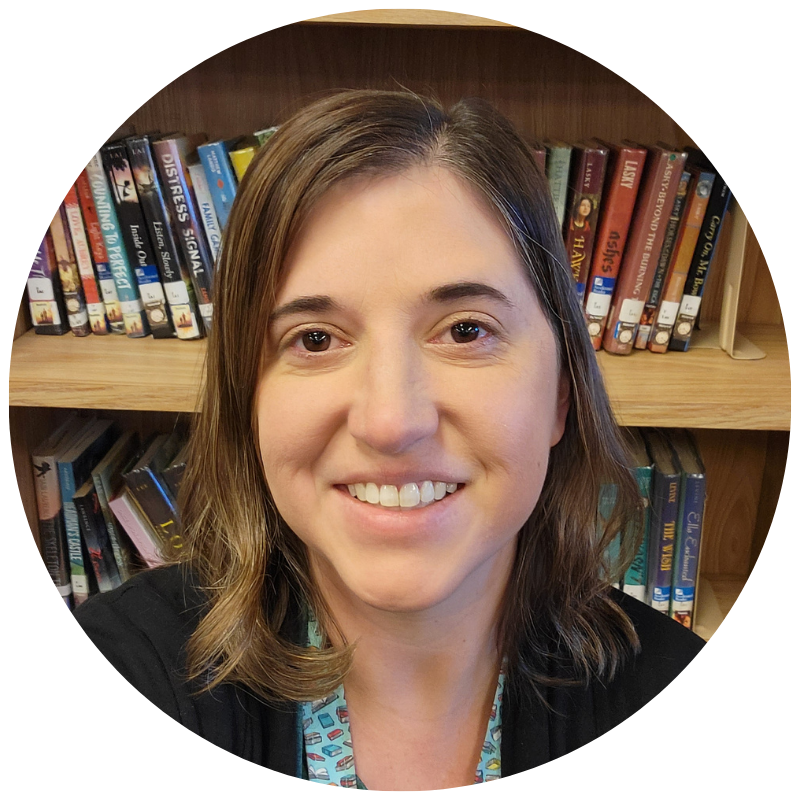
Gabriele Goldberg, High School Librarian
Gabriele has been in education for twelve years as both a teacher and a school librarian. She holds a BA in English from St. Mary’s College of Maryland, a MA in Leadership in Teaching from Notre Dame College of Maryland, and a certificate of Library Studies from the University of Maryland. She is currently a high school librarian in Maryland, where she focuses on curating a collection reflective of the school she serves.
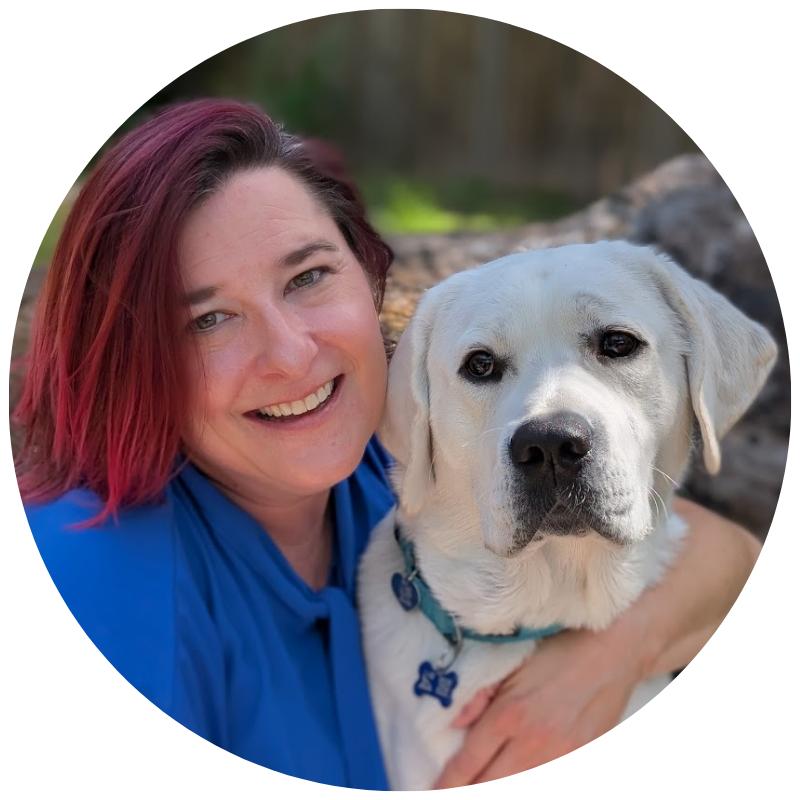
Jane Marchione, Middle School Library Media Specialist
Jane has been a middle school library media specialist for the past 7 years and taught middle school ELA prior to moving to this role. She began her time in the library the year COVID struck and changed the way schools and libraries seemed to work that winter/spring. Since her time in the library, she has implemented different strategies and programs to try and increase the reading checkouts and reading interest among her middle school population. The library is created around the students and for the students: aiming to make the books added more diverse in every way (topic, genre, length, format, and character race/gender/identity). Jane sees the school's Language Arts classes on a flexible but routine basis. During lessons they cover lots of book tastings, library scavenger hunt skills, research, and even curriculum-related content.
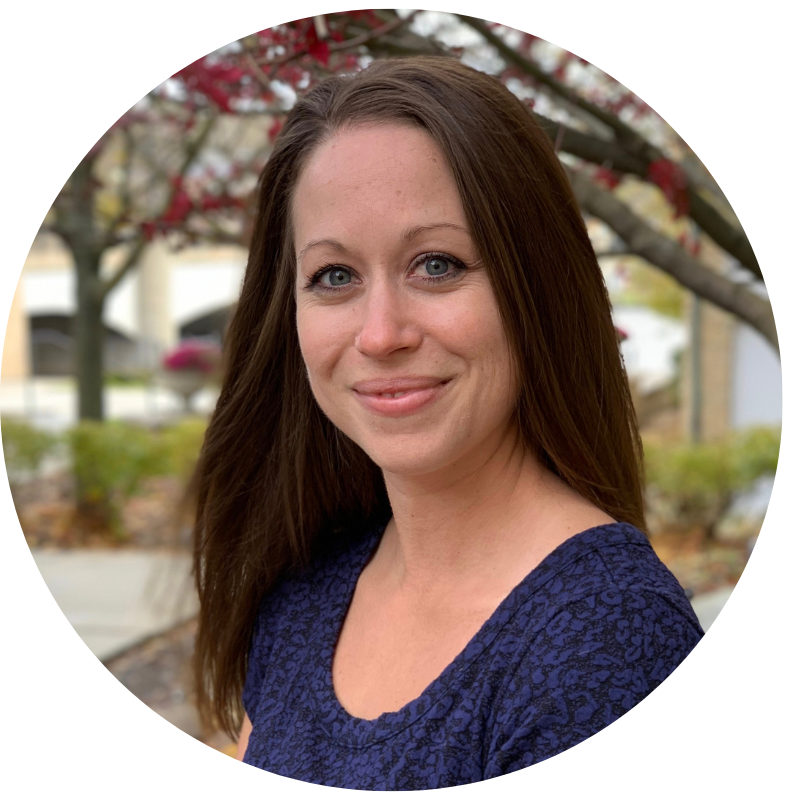
Vanessa Eichler, High School Librarian
Vanessa Eichler is the librarian at the Patricia Strawn Library, serving John Jay High School, Science & Engineering Academy, and Early College High School in Northside Independent School District in San Antonio, Texas. She has worked in NISD for 22 years, with secondary-level experience in English Language Arts, Theatre Arts, Art, and librarianship. Vanessa believes schools should be places of joy and discovery, and she is passionate about creating library experiences that inspire both. She strongly believes in the connection between reading and student success in school and in life. Vanessa is a proud member of the Texas Library Association. She holds a Master of Library Science degree from the University of North Texas.
Elizabeth Libberton, Library Media Specialist, St. Charles East High School, St. Charles IL
Elizabeth Libberton is the library media specialist at St. Charles East High School in St. Charles Illinois. She is the author of Trauma Informed School Libraries: A Safe Space for All. She currently writes book reviews for School Library Journal, and has moderated many YA & Middle Grade author panels. She is very active in the Association of Illinois School Library Educators, acting as Conference chair for 2026 and leading the professional development committee.
Behavior management in the middle and high school library comes with its own set of pressures. You're serving adolescents who are testing boundaries, asserting independence, and not always thrilled about authority—in a space that functions simultaneously as a classroom, a study hall, a refuge, and a social hub. This course was built for that reality.
In this course, you'll develop a proactive behavior management approach grounded in the secondary library context. You'll learn how to set and communicate expectations in ways that resonate with older students, de-escalate tension without damaging the relationships that keep your library functional, and manage the competing demands of mixed-use, open-access spaces.
You'll also tackle the harder situations—the chronic disruptor, the student using your library to avoid somewhere else, and the moments when you're mediating conflict, supporting a distressed student, and managing a full room at the same time. This course won't promise a drama-free library. It will give you the tools and confidence to run one that works.
This is a fully self-paced, asynchronous online course consisting of 3 modules. Each module includes video instruction, slides, readings, and reflective exercises designed to connect concepts directly to your daily work.
EXPECTED TIME COMMITMENT
Each module is designed to take approximately 3-4 hours to complete, for a total of 10 professional development hours. You may move through the course at your own pace and on your own schedule.
COURSE ACCESS
You will have access to all course materials for six months from the material unlock date.
CERTIFICATE OF COMPLETION
Complete all modules to earn 12 professional development credit hours and a School Library Journal certificate of completion. Certificates are emailed upon completion.
ACCESSIBILITY
All video recordings feature auto-captioning. If you require accommodations, please email course-support@libraryjournal.com upon registration and we will make our best efforts to support your needs.